Pipe insulation in Midway
Tom Hanks, owner, 24/7 Express Handyman Service · Updated September 2026
24/7 Express Handyman Service insulates exposed pipes in Midway. 55°F is the lowest thermostat setting FORTIFIED advises in cold weather, alongside insulating exposed pipes before a freeze. (Defend Against Frozen Pipes (FORTIFIED, a program of IBHS)) 5,590 feet is the elevation of Midway's nearest official climate station, in Heber City about three miles away, whose 1991-2020 climate normals record a January average low temperature of 12.5 degrees Fahrenheit and 21.5 inches of average January snowfall, with at least an inch of new snow falling on about 7 days in a typical January. (NOAA NCEI U.S. Climate Normals 1991-2020 (Monthly) — Heber, UT) In the Heber Valley & Wasatch County zone, scheduled work is $95/hour with a 2-hour minimum and no dispatch fee, plus a $35 fuel surcharge.
How much does a pipe insulation job cost in Midway?
From $225
Pipe insulation in Midway starts at $225: the 2-hour minimum at $95/hour ($190) plus the $35 fuel surcharge, with no dispatch fee. Time past 2 hours is billed in 30-minute steps. Larger parts are billed at cost plus 25%.
Call now
Heber Valley & Wasatch CountyAnswered 24/7 by Tom or his dispatcher.
Dispatch fee $249–$399 by time of day, due on arrival, covering the first hour on site. After that, $175/hour in 30-minute steps. Fuel surcharge $35. Supplies fee $50. Full price sheet and estimator
Typical arrival in the Heber Valley & Wasatch County zone: 60–90 minutes. Mountain passes close in heavy snow; the dispatcher gives a live estimate before rolling.
24/7 Express Handyman Service confirms the address, the zone rate and the dispatch fee, and takes a card, before rolling.
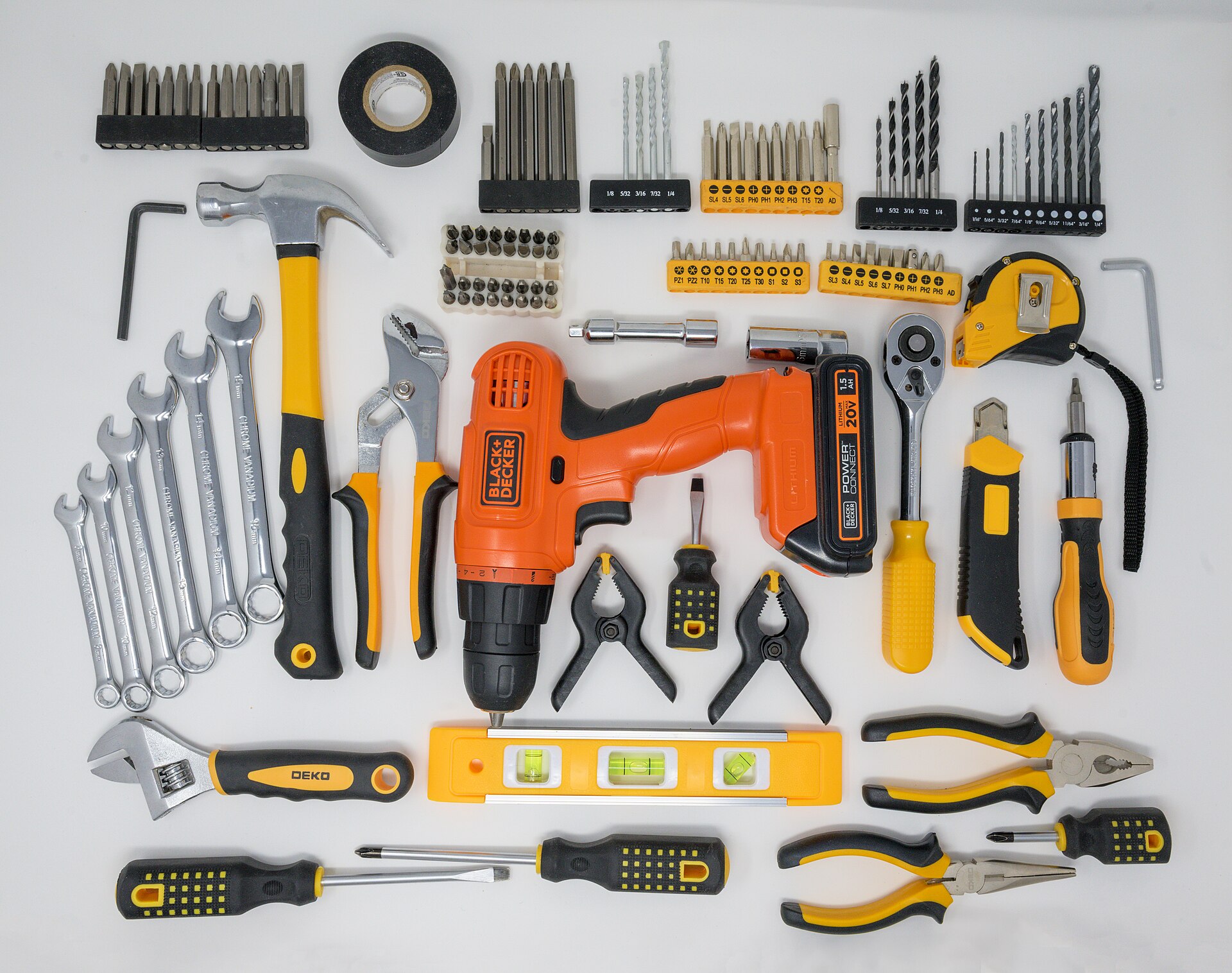
What 24/7 Express Handyman Service does on site
- Slips pre-formed foam insulation sleeves over exposed water pipes in garages, crawlspaces and unheated cabinets.
- Tapes every seam and joint so the insulation covers pipes and fittings completely.
- Seals small drafts near the pipes with caulk or foam where cold air blows directly on them.
How it works
- Trace exposed pipe runs in unheated areas and check for drips first, since wet insulation stops working.
- Measure pipe diameters and cut sleeves to fit, including elbows and valves.
- Install and tape the sleeves snug, then seal nearby air leaks.
- Referred out: leaks, pipe rerouting and heat cable installation go to a licensed plumber or electrician.
What happens next
- The written scope and price come first; once approved, sleeves go on and you get a list of the runs that were covered.
- Photograph the damage before anything is moved and keep every receipt; 24/7 Express Handyman Service provides an itemised invoice your insurer may ask for. The dispatch fee and job cost are paid by you on the day.
In Midway
Utah's traction law covers roads throughout Wasatch County, including US-40, during severe winter storms, requiring vehicles to carry snow tires, chains, or another approved traction device. (Traction Law — UDOT Wasatch Back) That same Heber City climate station's January normals show an average high of 36.5 degrees Fahrenheit against an average low of 12.5 degrees Fahrenheit, a swing of about 24 degrees that puts exposed pipes and fittings through a freeze-thaw cycle on most winter days. (NOAA NCEI U.S. Climate Normals 1991-2020 (Monthly) — Heber, UT)
Calls come from around Deer Creek, Soldier Hollow, Homestead Crater.
Every job 24/7 Express Handyman Service takes on is under $3,000 including labor, materials and any change orders (Utah Code §58-55-305); a change that would push a job over that line is referred to a licensed contractor, not written up as a second job. plumbing, electrical, HVAC, gas appliance / combustion system work is referred to a licensed trade.
Sources
- Defend Against Frozen Pipes (FORTIFIED, a program of IBHS) — retrieved 2026-09-23
- NOAA NCEI U.S. Climate Normals 1991-2020 (Monthly) — Heber, UT — retrieved 2026-09-19
- How to Prevent Pipes From Freezing (USU Extension) — retrieved 2026-09-23
- Preventing & Thawing Frozen Pipes — retrieved 2026-09-23
- Traction Law — UDOT Wasatch Back — retrieved 2026-09-19