
What got recalled, and why?
On October 1, 2026, the Consumer Product Safety Commission reannounced and expanded a recall of Agrish adult portable bed rails, adding models 12014, AG-12011 and 12016 to two models recalled back in January, for a total of about 35,083 units sold on Amazon from April 2025 through May 2026 for $50 to $80. CPSC's hazard description is blunt: "users can become entrapped within the bed rail or between the bed rail and the side of the mattress," posing a risk of death by asphyxiation. The expanded models also failed the structural stability and retention-strap requirements in the federal standard for these products, adding a fall hazard, and had push pins sized wrong for their holes, adding a laceration risk. CPSC logged one fall involving model AG-12011.
The same day, CPSC recalled a second, unrelated product for the identical failure: YunHeng's LandTale bed rails, about 730 units sold on Amazon from February through June 2026 for about $43, recalled because users "can become entrapped within the bed rail or between the bed rail and the side of the mattress," the same entrapment and asphyxiation risk, on a completely different bed rail from a different company. No injuries were reported on that one.
Why does a clamp-on rail fail where a grab bar doesn't?
A portable bed rail isn't fastened to anything in the house. It clips over the mattress edge or wedges underneath it and stays in place only because the mattress is heavy enough to hold it there. That's also exactly where the hazard lives: the gap between the rail and the side of the mattress is the same gap a shifting sleeper's arm, leg or head can slide into and get stuck in. People buy these for a specific reason — to keep an aging parent or spouse from rolling out of bed or to give them something to push against getting up — but the device never actually connects to the structure of the house the way the fall risk it's fighting does.
That reason is a real one. CDC's own numbers on older-adult falls, more than one in four older adults falling each year and fewer than half telling their doctor, nearly 4.5 million emergency-department visits for falls annually and about 319,000 hospitalizations for hip fractures, are why a bed rail looks like an obvious thing to buy. The problem isn't the instinct to add something to hold onto. It's that a rail with nothing anchoring it to the house can introduce a new way to get hurt while trying to prevent an old one.
What to do instead, and when to call
If a bed rail in the house is an Agrish model 2512, 2513, 2516, 12014, AG-12011 or 12016, or a YunHeng LandTale rail marked "EBR001," stop using it today. Agrish customers can register for a refund at agrish.online/recall or by emailing agrish.us@outlook.com; YunHeng customers email LandtaleBedRailsRecall@outlook.com for refund instructions.
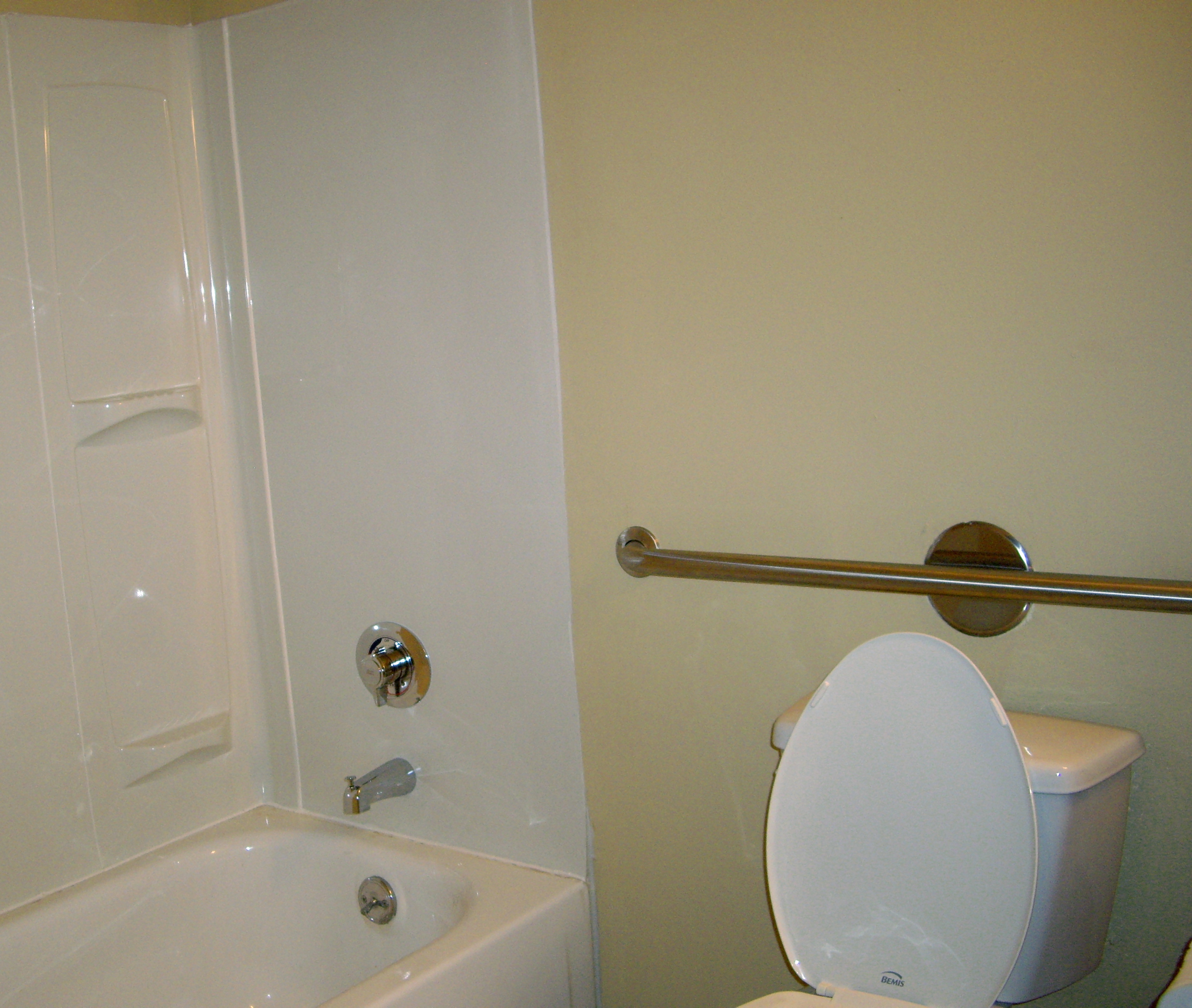
What actually holds a person's weight is hardware fastened into the house itself, not clamped to a mattress — which is what 24/7 Express Handyman Service installs. A grab bar mounted into a wall stud next to a bed, toilet or tub, or a handrail bolted along a stairway, takes the same job a bed rail is bought to do and gives it something solid to pull against. Either job starts with a walk-through to mark exactly where the person reaches, then fastens to the framing behind the wall rather than hoping a mattress stays put.